Lymphatic Drainage for Post-Surgery Recovery
How lymphatic drainage therapy accelerates healing, reduces swelling, and supports recovery after cosmetic and medical surgery.
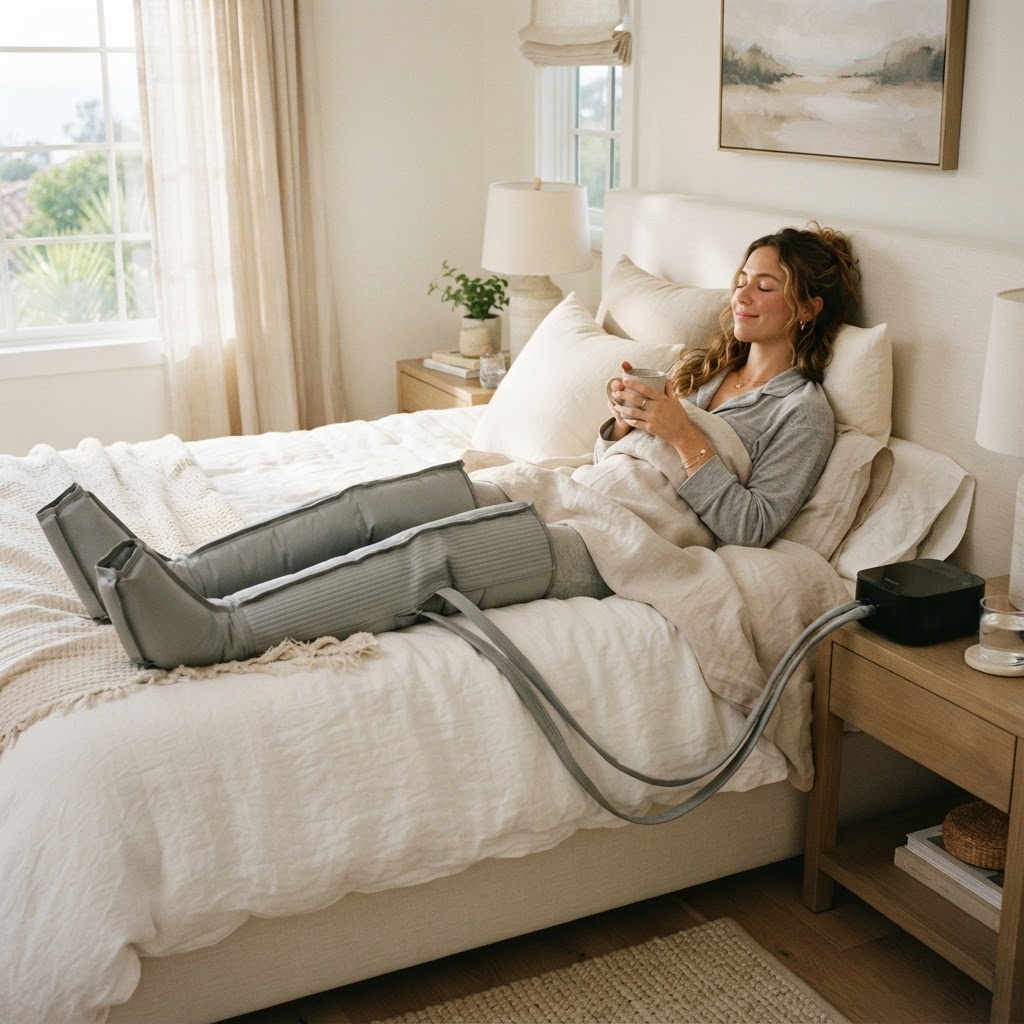
If you're planning surgery — or recovering from one — lymphatic drainage therapy should be part of your recovery plan. It's one of the most effective, non-invasive ways to accelerate healing, reduce swelling, and optimize your surgical results. Surgeons increasingly recommend it, and for good reason. Here's everything you need to know about lymphatic drainage for post-surgical recovery.
Why Surgery Affects Your Lymphatic System
To understand why lymphatic drainage is so valuable after surgery, it helps to understand what surgery does to your body. Any surgical procedure — whether cosmetic or medical — involves:
- Tissue trauma — cutting through skin, fat, muscle, and connective tissue
- Fluid accumulation — your body's inflammatory response produces excess fluid (edema) at the surgical site
- Lymphatic disruption — lymphatic vessels may be cut, damaged, or removed
- Swelling and inflammation — a natural part of healing, but excess swelling delays recovery
Your lymphatic system is responsible for clearing this excess fluid and inflammatory waste. But when the system itself is disrupted by surgery, it can't keep up — and fluid builds up, causing swelling, discomfort, and delayed healing.
How Lymphatic Drainage Accelerates Recovery
Reduces Swelling and Fluid Retention
The primary benefit of post-surgical lymphatic drainage is the removal of excess fluid. By stimulating lymphatic flow around (not directly on) the surgical site, drainage therapy helps your body clear the fluid buildup that causes swelling. This is particularly important after procedures like liposuction, where significant fluid is introduced and must be cleared.
Speeds Up Healing
By clearing inflammatory waste products and delivering oxygen and nutrients to the healing tissue, lymphatic drainage accelerates the healing process. Surgical sites recover faster, bruising resolves more quickly, and you return to normal activities sooner.
Reduces Complications
Lymphatic drainage can help reduce the risk of post-surgical complications:
- Seromas — fluid pockets that can form after surgery
- Fibrosis — hardening of tissue from fluid and scar tissue buildup
- Infection — improved circulation supports immune function
- Excessive scarring — reducing inflammation minimizes scar tissue formation
Improves Cosmetic Results
For cosmetic procedures, lymphatic drainage can significantly improve your final result. By reducing swelling evenly and preventing fluid pockets, it helps the surgical site heal smoothly and symmetrically. Plastic surgeons increasingly recommend it as essential for optimal outcomes after liposuction, tummy tucks, facelifts, and body contouring procedures.
Reduces Pain and Discomfort
Swelling creates pressure, and pressure creates pain. By reducing fluid buildup, lymphatic drainage relieves the pressure that causes post-surgical discomfort. Many patients report significant pain reduction after drainage sessions.
Minimizes Bruising
The improved circulation from lymphatic drainage helps clear the blood that causes bruising more quickly. Bruises fade faster, and the discoloration that can linger for weeks is significantly reduced.
Which Surgeries Benefit Most
Cosmetic Procedures
- Liposuction — perhaps the most important; lymphatic drainage is considered essential after lipo
- Tummy tuck (abdominoplasty) — reduces abdominal swelling and fluid buildup
- Facelift and neck lift — reduces facial swelling and speeds visible recovery
- Breast augmentation/reduction — helps manage fluid and supports healing
- Brazilian butt lift (BBL) — supports healing and contouring
- Rhinoplasty — reduces facial swelling
- Mommy makeover — comprehensive recovery support
Medical Procedures
- Orthopedic surgery — knee replacements, hip replacements, shoulder repairs
- Abdominal surgery — including C-sections and hernia repairs
- Cancer surgery — particularly where lymph nodes are removed (lymphedema prevention)
- Any procedure with significant tissue trauma
When to Start Lymphatic Drainage After Surgery
General Timeline
- 1-2 weeks post-surgery: Most surgeons clear you to begin lymphatic drainage
- Never on incisions — drainage is performed around, not on, healing incisions
- Follow your surgeon's specific guidance — they know your procedure and recovery
The Typical Post-Surgery Schedule
- Weeks 1-2: 3-5 sessions per week — the most critical period for fluid management
- Weeks 3-4: 2-3 sessions per week — as swelling decreases
- Weeks 5-8: 1-2 sessions per week — transitioning to maintenance
- After 8 weeks: As needed based on your recovery progress
Pre-Surgery Preparation
Some surgeons recommend 1-2 lymphatic drainage sessions before surgery to optimize your lymphatic function. A healthy, well-functioning lymphatic system before surgery recovers more efficiently afterward.
What a Post-Surgical Lymphatic Drainage Session Is Like
Gentle and Non-Invasive
Post-surgical lymphatic drainage is extremely gentle. Using the Ballancer Pro or manual techniques, the therapist applies light, rhythmic pressure that stimulates lymphatic flow without stressing healing tissues. There's no deep pressure, no pain, and no risk to the surgical site.
Relaxing and Comfortable
Most patients find the sessions deeply relaxing. The gentle compression and rhythmic sensation are soothing — a welcome contrast to the stress of surgery and recovery. Many patients look forward to their sessions as a moment of calm in the recovery process.
Noticeable Results
Most patients notice a visible reduction in swelling after their very first session. The treated areas look less puffy, feel lighter, and are more comfortable. Results are cumulative — each session builds on the previous one.
Important Precautions
Always Get Surgeon Approval
Never start lymphatic drainage without your surgeon's explicit approval. They'll advise when it's safe to begin and if there are any restrictions based on your specific procedure.
Don't Drain Directly on Incisions
Lymphatic drainage is performed on areas adjacent to incisions, never directly on healing wounds. Your therapist is trained in post-surgical protocols and knows how to work safely around surgical sites.
Not for Active Infections
If you develop an infection at the surgical site, lymphatic drainage should be paused until the infection is treated. Drainage can spread infection — always wait until you're cleared.
Not for Blood Clots
If you have any signs of a blood clot (sudden swelling, pain, warmth, redness in one leg), seek immediate medical attention. Lymphatic drainage is contraindicated with active blood clots.
Why the Ballancer Pro Is Ideal for Post-Surgical Recovery
The Ballancer Pro is particularly well-suited for post-surgical recovery because:
- FDA-cleared — meets medical safety standards
- Gentle, calibrated pressure — precisely controlled for safety
- Full-body coverage — treats multiple areas simultaneously
- Non-invasive — no direct contact with incisions
- Consistent results — uniform pressure every session
- Comfortable — patients can relax fully during treatment
The Bottom Line
Lymphatic drainage is one of the most valuable tools for post-surgical recovery. It reduces swelling, accelerates healing, minimizes complications, improves results, and makes the recovery process more comfortable. If you're planning surgery — or recovering from one — talk to your surgeon about incorporating lymphatic drainage into your recovery plan. The difference in your healing time, comfort, and final results can be remarkable.
Next Article
Essential Vitamins for Optimal Muscle Recovery
Exploring the key vitamins that aid muscle repair, reduce soreness, and enhance athletic performance after intense training.
Continue ReadingReady to experience EMS training or lymphatic wellness for yourself?